Conte aos seus amigos sobre este item:
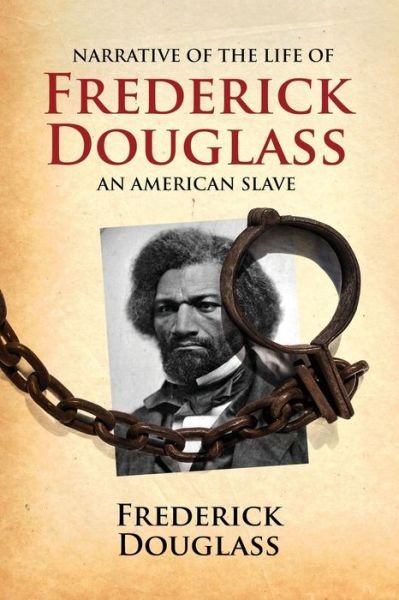
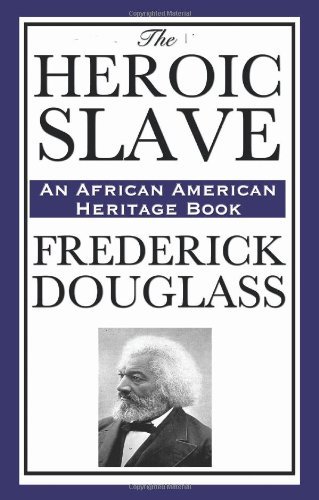
The Heroic Slave Frederick Douglass
 Presentes de Natal podem ser trocados até 31 de janeiro

O que dizem nossos clientes:


Também disponível como:
The Heroic Slave
Frederick Douglass
Publisher Marketing: The Heroic Slave is the only work of fiction written by Frederick Douglass. The novella is based on a true incident where a slave, Madison Washington, leads a rebellion on board a slave ship. Douglass wrote The Heroic Slave in response to a request from the Rochester Ladies' Anti Slavery Society for a short story to go in their collection, Autographs for Freedom. Frederick Douglass was born in slavery as Frederick Augustus Washington Bailey near Easton in Talbot County, Maryland. As a young boy he was sent to Baltimore, to be a house servant, where he learned to read and write, with the assistance of his master's wife. In 1838 he escaped from slavery and went to New York City, where he married Anna Murray, a free colored woman whom he had met in Baltimore. Soon thereafter he changed his name to Frederick Douglass. In 1841 he addressed a convention of the Massachusetts Anti-Slavery Society in Nantucket and so greatly impressed the group that they immediately employed him as an agent. He was such an impressive orator that numerous persons doubted if he had ever been a slave. His autobiographical works are The Life of Frederick Douglass, an American Slave, Bondage and My Freedom and Life and Times of Frederick Douglass, published in 1855 and 1881 respectively. He died in 1895. Contributor Bio: Douglass, Frederick Frederick Augustus Washington Bailey (Frederick Douglass) was born a slave in Talbot County, Maryland. He took the name Douglass after escaping from the South in 1838. As a leader in the abolitionist movement, Douglass was famed for his eloquent yet incisive political writing. And, like his near-contemporary, Booker T. Washington, understood the central importance of education in improving the lives of African Americans, and was therefore an early proponent of desegregation. A firm believer in equal rights for all, Douglass attended a meeting of the National Council of Women in Washington, D. C., in the hours before his death in February 1895.
| Mídia | Livros Paperback Book (Livro de capa flexível e brochura) |
| Lançado | 18 de maio de 2012 |
| ISBN13 | 9781463527181 |
| Editoras | Createspace |
| Gênero | Ethnic Orientation > African American |
| Páginas | 70 |
| Dimensões | 127 × 203 × 4 mm · 77 g |